PDR Tools USA: Professional Glue Pull & Hammer Guide
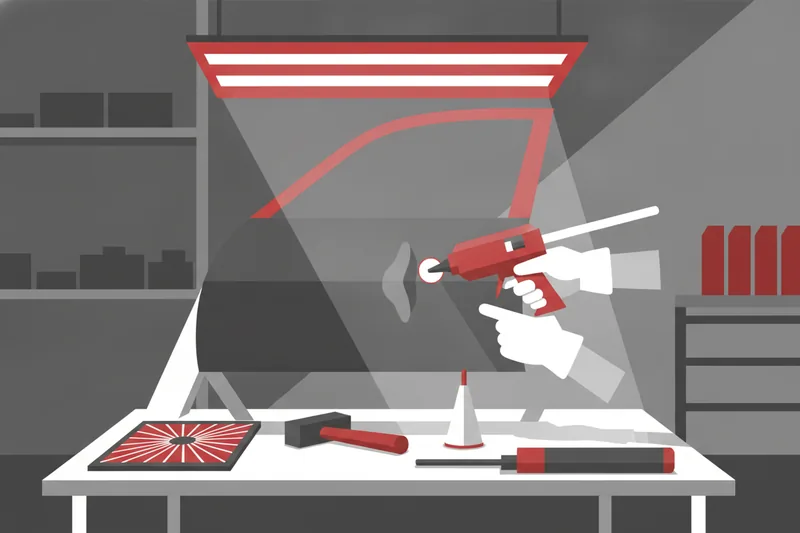
What Is Paintless Dent Repair (PDR) and Why Tool Choice Matters
Paintless dent repair (PDR) is a group of professional methods used to restore the shape of a damaged metal panel through controlled movement, while keeping the panel's existing finish intact instead of stripping and repainting it. A PDR technician works the metal back into shape either by pushing from behind the panel with rods and picks, or by pulling from the outside with adhesive-bonded tabs — a process known as glue pull repair. Both routes aim for dent removal without repainting, but they solve different access problems, and the tools built for one rarely substitute well for the other.
This is where most buying guides fall short: they list products without explaining what job each one is actually built to do. A technician staring down a double-skinned rocker panel needs a different tool than one finishing a shallow crown dent on a hood, and the wrong pick costs time, not just money. Glexo builds its cold-glue systems, tabs, and metalworking tools around that exact decision point — matching tool to access and damage type rather than assuming one setup handles everything. The sections below walk through the categories in the order a technician actually encounters them on the job: what the tools are, how glue pull repair works in detail, and how to match equipment to hail volume, detailing precision, and internal access work.
The Core Categories of Professional PDR Tools
Most professional PDR work is built around two primary approaches: metalworking push/knockdown tools and glue pull repair systems. Lighting, boards, and finishing aids support both, but these two approaches are where tool selection starts, because you're matching an approach to an access problem before comparing individual products.
Metal-working tools: hammers, tappers and rods
Metalworking tools move metal from behind or beside the panel. A slide hammer applies a controlled pulling or shock force through a rod or tip, often used with glue tabs for outside-in access. Knockdown tappers are hand tools with interchangeable tip sizes used to tap high spots down after a pull, refining the surface without pushing rods. Whale tails and hooks are shaped rods designed to reach behind panels with limited clearance — door skins, quarter panels, areas blocked by bracing. Blending hammers, available in multiple weights, settle and smooth metal to speed finishing work. Sonic tips are a Glexo tool-line name for spiked, rounded-head tips used for internal access and edge work — soft or sharp heads chosen by technique — not an acoustic, ultrasonic, or powered device; the name describes the head shape, not a vibration mechanism.
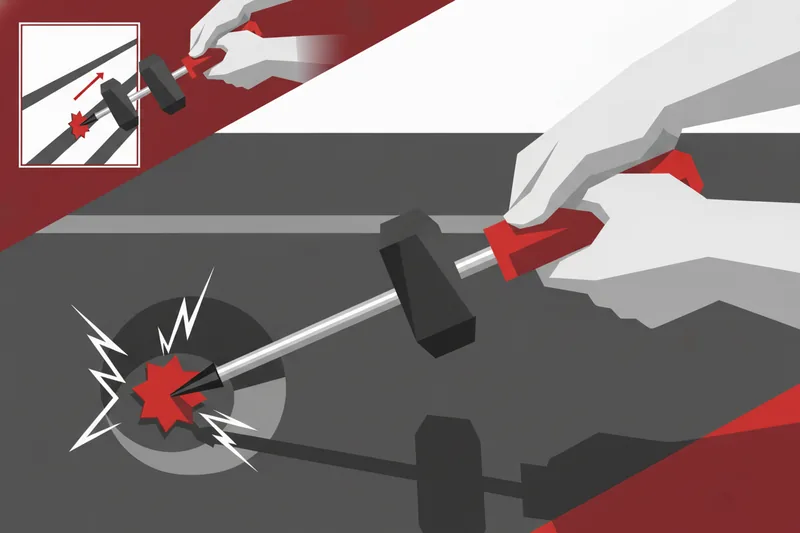
Glue pull repair systems: tabs and glue
Glue pull systems bond a plastic or metal tab to the outside of the panel with adhesive, then apply outward pulling force with a mini lifter or slide hammer until the metal returns to shape. This is the route technicians reach for when the backside is sealed, double-skinned, aluminum, or otherwise blocked from rod access. Cold glue systems use a reusable, tacky compound applied to a tab rather than a heated adhesive, which is the category Glexo's tab and glue lines are built around.
Glue Pull Repair Explained: Tabs, Cold Glue Types and Temperature Selection
A glue pull repair kit typically combines a glue gun or applicator, adhesive, an assortment of pulling tabs, and a lifter or slide hammer. Cold glue pulling is used for broad initial movement, hail workflows with repeated pulls, and exterior pulls where a hot-melt bonding step isn't part of the plan; hot glue pulling instead bonds a tab with a heated adhesive before the same controlled pull is applied. Neither method is the universal industry default — shops choose based on damage type, panel access, and workflow preference, not because one always replaces the other.
Choosing cold glue for ambient temperature
Cold glue behavior shifts with shop temperature, which is why Glexo offers cold glue variants matched to working conditions — one formulated for use up to roughly 86°F/30°C, and another built for hotter shop environments above that range. Picking the wrong variant for the ambient temperature shows up as inconsistent tack: a pull that should hold steady instead slips or releases early. Technicians running hot melt glue sticks alongside cold glue typically keep both on hand — hot melt for tabs that need a fast, strong initial bond, cold glue for reusable, lower-mess pulls across a hail volume workload.
Why surface prep affects glue adhesion
Adhesion fails more often from a dirty or coated panel than from a bad glue batch. SPS surface-prep wipes are disposable wet wipes used for ultra-deep cleaning before applying glue, improving bond strength even on older paint or panels with protective coatings. Anti-adhesive films serve the opposite job — protecting trim, moldings, or areas adjacent to a pull site so glue doesn't bond where it shouldn't. Skipping surface prep is one of the most common causes of a tab releasing mid-pull, and it's a cheaper fix than replacing tools.
Matching PDR Tools to the Job: Hail Repair, Fine Detailing and Internal Access
Tool selection changes with the job in front of you, and a shop's actual workload should drive the kit, not the other way around.
Hail repair kits built for high-volume shops emphasize redundant tabs and cold glue systems that support continuous pulling across dozens of small dents per panel without swapping consumables constantly — throughput matters more than any single pull's finesse. Fine detailing work leans on knockdown tappers with mirror-polished tips sized to the dent, giving high-accuracy finishing with no marks or scratches left behind. Internal access dents — those reachable through a door cavity or behind bracing — call for Sonic tips, with soft heads used for gentle, controlled pressure and sharp heads for short, targeted strikes, reducing pushmarks and light-shift distortion on stretched metal. Blending hammer weight selection ties all three together: lighter weights suit detail settling after tapper work, heavier weights suit faster metal movement on larger hail-damaged panels where a high-volume shop needs to move through jobs quickly.
PDR Lighting, Boards and Visibility Aids for Accurate Dent Detection
No pull or tap-down tool compensates for poor visibility. PDR lighting — including reflector boards and LED lighting rigs — reveals dent edges and depth by controlling how light reflects across the panel surface, which is why lighting and boards sit alongside rods, tappers, and glue systems as a standard part of the professional tool category rather than an optional accessory. Without adequate lighting, technicians risk missing high spots after a pull or over-working an area that already sits flush, adding time rather than saving it. A dent board or LED panel doesn't replace glue pull or metalworking tools; it makes the work done with them verifiable.
How to Choose the Right PDR Tool Set for Your Shop
Assembling a working PDR tool kit comes down to matching four variables to your actual repair mix, not buying the most complete-looking set available:
- Blending hammer weight range — cover at least a light and a mid weight if your shop handles both hail volume and detail finishing.
- Knockdown tapper sizes — a spread of tip sizes handles everything from small hail pitting to larger crease work without swapping tools mid-job.
- Cold glue variant coverage — stock both a standard and a high-temperature cold glue if your shop's ambient conditions swing seasonally, plus hot melt sticks for jobs needing a stronger initial bond.
- Ergonomic design — tools used for hours daily should reduce wrist load; a poorly balanced hammer or tapper adds fatigue that shows up as inconsistent pulls by the end of a shift.
A shop running mostly hail work should weight its kit toward tabs, cold glue, and mid-weight hammers. A shop doing detail and dealer work should weight toward tapper tip variety and finer blending hammers.
New vs Used PDR Tools: What to Know Before Buying
Used PDR tools show up cheap on resale marketplaces, but the savings often disappear the first time a tapper tip is out of true or a secondhand glue gun runs inconsistent temperature. New, manufacturer-backed tools carry a warranty that covers defects — a used tool carries none, and there's no way to verify prior wear or quality control before it reaches you. Adhesion reliability is the sharper risk with consumables specifically: a cold glue batch of unknown age or storage history can under-perform exactly when a pull needs full tack, and a failed pull mid-job means re-prepping the surface and losing repair time. For a shop billing by completed job, that downtime costs more than the price difference between new and used tools ever does.
Where to Buy Professional PDR Tools with Fast USA Shipping
Glexo manufactures its full PDR tool and consumable catalog — cold glue systems and tabs, hot melt glue sticks, Sonic tips, blending hammers, knockdown tappers, SPS surface-prep wipes, and anti-adhesive films — for professional PDR technicians working hail, detail, and daily production repairs. The catalog ships worldwide, and regular customers can access a discount system built for shops ordering consumables on a recurring basis rather than one-off retail buyers.
Frequently asked questions about buying PDR tools in the USA
Do I need both cold glue and hot melt glue sticks? Most shops keep both. Cold glue suits reusable, high-volume hail pulls; hot melt glue sticks suit tabs needing a fast, strong initial bond for a single pull.
What determines which Sonic tip to use? Access and technique — soft heads for gentle, sustained pressure on internal reaches, sharp heads for short, targeted strikes on stretched metal.
Is a used PDR tool ever a reasonable starting point? It can lower upfront cost, but without a warranty or known usage history, tip wear and consumable freshness are unverifiable — a real risk for shops billing on repair turnaround.
How do I pick between cold glue temperature variants? Match the variant to your shop's typical working temperature — one formulated for use up to about 86°F/30°C, another for hotter conditions — rather than defaulting to whichever is in stock.
Browse Glexo's full PDR tool and consumables catalog and reach out for regular-customer discount pricing with fast worldwide shipping.