Professional Tools for Dent Repair | PDR Toolkit Guide
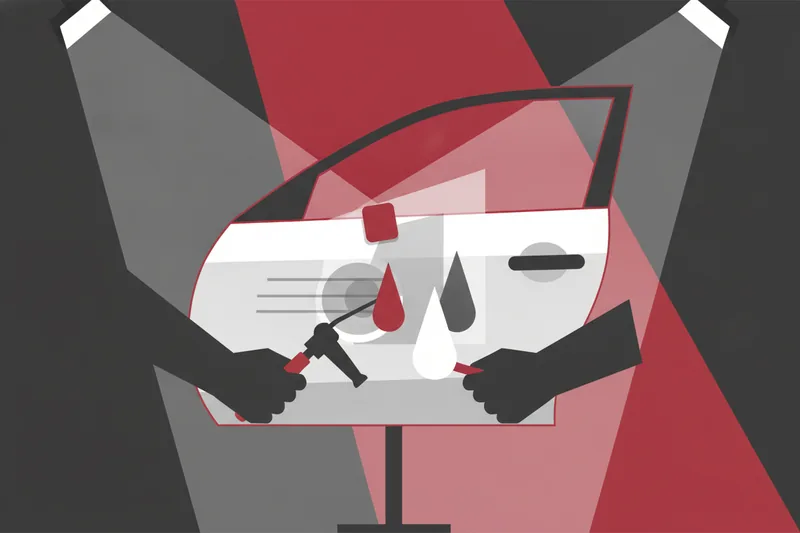
A professional PDR toolkit isn't one box of parts — it draws on several core systems working together: glue-pulling equipment, slide hammers, internal push tips, and knockdown or finishing tools, alongside other job-specific tools and methods. No technician uses every system on every dent; each one answers a different combination of panel access, dent type, and working temperature. This guide covers what each category does, when it's the right call, and how to decide whether your current kit covers the repairs you actually take on.
The Core Toolkit: Categories Every PDR Technician Relies On
Every professional repair draws from four functional families. Glue-pulling systems bond a tab to the panel surface so a pulling device can transfer force from outside — the option of choice when backside access is restricted. Slide hammers deliver an inertial, impulse-style pull through that tab or a dedicated head, built for moving metal fast across larger areas. Sonic tips are interchangeable rod ends, soft or sharp, used for controlled pushing from behind the panel. Knockdown and finishing tools tap down highs and smooth out lows, settling what remains once the bulk of the movement is done.
Shops also keep rods, whale tails, reflector boards, and body files on hand for specific jobs. There's no fixed starter kit — the right mix depends on the repairs a shop actually sees.
How Glue-Pulling Systems Work and When to Use Them
Glue pulling is one candidate when the backside of a panel is unreachable or reaching it would mean unjustified disassembly, chosen only after the finish, geometry, and repair plan clear it as the right method. A glue pulling tab bonds to the finish, and a pulling device — hand puller, bridge puller, or slide hammer — applies force through that bond.
Cold glue is a reusable, tacky or viscoelastic compound carried on a compatible tab; it comes off clean enough to reuse as long as its condition holds up, which suits broad initial movement, repeated-pull hail work, and hybrid repairs that pair an exterior pull with backside pushing. A hot glue stick is melted fresh for each pull and works best when there's no usable backside access at all, when pull direction needs to match the movement precisely, or when a repair needs sustained tension alongside damage crown management.
Neither method replaces the other, and there's no rule that cold glue always precedes hot glue — the panel and the access decide.
Slide Hammers and Tip Shapes for Panel Access
A slide hammer produces an inertial, impulse-style pull — effective for roughing out hail damage and larger dents, but less suited to delicate work, since leaning on it for fine adjustment risks overpulling. Lighter variants can still manage precise pulls, which is why manufacturers sell slide hammers across a range of weights rather than one size.
Dent lifters — including mini lifters and bridge lifters — do the opposite job: compact, lever-operated pullers with support feet that apply a localized, metered pull instead of an impulse. They belong where panel access is good but the dent needs controlled, incremental movement.
Matching the tool to access matters more than matching it to size alone. A slide hammer for every hail dent or a door tool for every ding skips the access and finish checks a repair actually needs.
Sonic Tips for Internal-Access Repairs
Sonic tips are interchangeable rod ends — soft and rounded, or sharp and spiked — used for backside pushing once there's a safe route to the damage. Soft tips spread pressure for broad, gradual movement; sharp tips deliver short, precise strikes on stretched or stubborn metal. Choosing between them comes down to reading the reflection as the metal responds.
Access decides the approach before tip choice comes up. Direct, unobstructed access makes a panel a push candidate; access restricted under a brace usually calls for a specialty push tool instead, and no safe route sends the repair toward an exterior pull. Technicians don't lever against glass, wiring, hoses, or unverified supports, and don't drill new holes to get a tool in. Where a factory opening is used, any disturbed corrosion protection gets restored afterward.
Knockdown and Finishing Tools: Settling Metal Without Damaging Paint
Knockdown, or tap-down, work is controlled exterior action on a defined high or raised transition, delivered through a contact tool in small strikes while the technician reads the result against a reflection. A mushroom or ball-shaped tip spreads impact to blend a high into the surrounding panel; a mirror-polished tapper tip is built for fine detailing, where accuracy matters more than coverage.
The goal is settling metal without disturbing the existing finish — knockdown work is where that's easiest to get wrong if the tip or the strike is off. Push-to-paint work, done ahead of a scheduled refinish, borrows the same tools and principles but isn't classified as full PDR once refinishing is on the plan. Finishing is where a toolkit earns its reputation: a blending hammer sized right and a tip matched to the surface decide whether the repair disappears or leaves a mark of its own.
Surface Prep and Adhesion: Why Panel Condition Determines Tool Success
Glue-pulling tools are only as good as the surface they bond to. Wax, sealant, ceramic coating, and road film all act as contamination that cuts adhesion before a tab ever touches the panel, which is why deep surface cleaning — typically isopropyl alcohol or a PDR-specific degreaser — comes before any glue pull. Disposable surface prep wipes make quick work of this step on vehicles that have been waxed, ceramic-coated, or driven through a season of road grime.
Surface condition also decides which tool category is viable. Where there's no backside access, hot-melt or cold-glue pulling becomes the candidate method, but that choice still passes through a check of the finish first. A knockdown or blending tool needs a clean working end and a known finish and temperature before use. A previously refinished panel raises the stakes: adhesion is less predictable, filler may be hiding underneath, and glue pulling there calls for a compatibility check first.
Matching Tools to Dent Type and Panel Access
Dent type is more than size: cause, geometry, panel zone, and finish or access qualifiers together give a far more useful picture than a label like "small door ding." Depth, sharpness, stretch, crease pattern, bodyline location, panel material, and nearby structural components all factor into whether a dent is a PDR candidate — size alone settles none of it.
Panel access follows the same logic. A double-panel dent with no backside path doesn't automatically make glue pulling the answer; the finish and geometry still have to clear before that method is confirmed. On hail jobs, the decision runs at three levels — is the vehicle in scope, is each panel repairable, is each dent within the method's limits — and multiplying one dent's answer across a whole roof doesn't hold up.
Building Your PDR Toolkit: What to Look for and How to Choose
Toolkit assembly starts with the work a shop actually does, not a generic list. A shop running mostly hail claims needs redundant glue tabs, a cold-glue system suited to swinging outdoor temperatures, and enough slide hammers and lifters to keep several technicians moving across panels at once. A shop built around daily door dings and creases leans harder on sonic tips, dent lifters, and finishing tools, since access tends to be better and precision matters more than volume.
A few category selection criteria hold across the board. Match the tool to panel access first and dent geometry second — a bigger slide hammer doesn't fix an access problem, and a sharper tip doesn't fix a misread on the dent's shape. Check compatibility between tabs, glue, and pulling devices before combining components across systems, since interfaces are manufacturer-specific. Budget for consumables as a recurring cost — tabs, glue, prep wipes, and tips wear out and get replaced far more often than the tools that hold them.
A toolkit built this way covers what a working technician actually reaches for: glue-pulling systems for restricted access, slide hammers and lifters matched to the pull required, sonic tips for internal work, and knockdown tools for the finish. Glexo designs and manufactures tools and consumables across each of these categories for technicians and repair shops — explore the range to match systems to your panel types and working conditions.