Anson PDR Tools vs Glexo: Lineup & Pricing

Anson PDR is a recognizable name among body-shop suppliers, and its catalog covers the same three core categories every serious PDR shop needs: glue-pulling systems, tabs, and metalworking tools for knockdown and blending. Whether that lineup is the right buy for your shop depends on glue temperature range, tab compatibility with hail versus micro work, and how the hammers and tips hold up under daily use — and that's where a direct comparison against a manufacturer-built system like Glexo's becomes useful before you place an order.
What Is Anson PDR? Brand and Product Overview
Anson PDR operates as a PDR tool distributor, supplying dent-repair accessories to technicians and shops rather than manufacturing every item in-house the way a dedicated tool maker does. Its catalog is organized the way most full-line distributors structure their offering: adhesive-based pulling systems, tabs sold in assorted shapes and sizes, and tool sets/hub tools — hammer and tip combinations sold together as a kit rather than as individually specified instruments. For a shop stocking a van or a stall from scratch, that bundled approach can simplify a first purchase, but it also means the buyer has less visibility into the weight, tip material, or temperature spec of any single component until it's in hand.
That distribution model is worth keeping in mind, because Glexo takes the opposite approach — designing and manufacturing its own cold-glue systems, tabs, and metalworking tools rather than reselling a hub kit, which is the comparison this article works through category by category.
How Professional PDR Tool Systems Work: Glue, Tabs, and Metalworking Tools
"Paintless" describes the outcome of the repair, not the absence of materials — hot-melt adhesive, cold glue, release agents, and prep wipes are all normal parts of a full PDR workflow. Any serious tool lineup, Anson's included, has to cover two distinct jobs: pulling the dent out, and settling the metal afterward.
Cold glue and tab pulling: how adhesion-based dent removal works
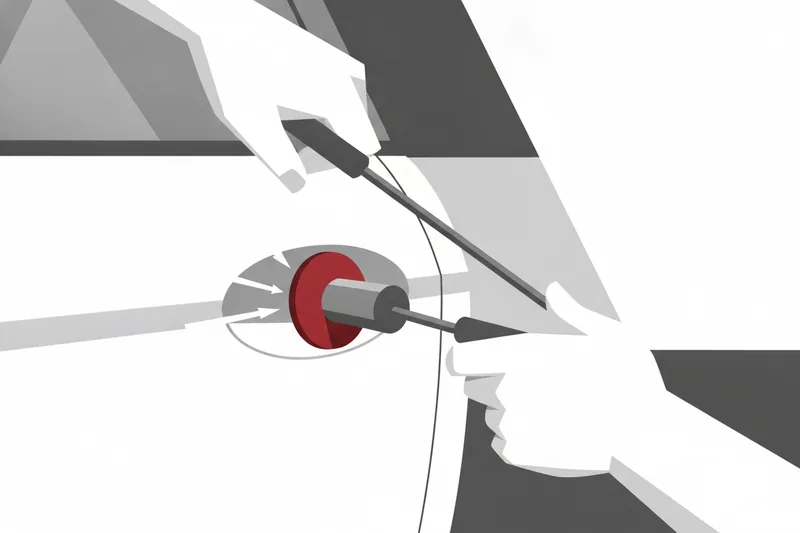
Glue pulling restores a dented panel without removing paint by bonding a plastic tab to the outside of the dent with a strong adhesive, then applying steady outward force with a lifter or slide hammer until the metal returns to shape. It's the go-to method when the back of the panel is blocked — double-skinned sections, sealed cant rails, internal bracing, or aluminum panels where rod access isn't possible. A slide hammer only counts as part of a nondestructive PDR process when it's paired with a compatible, non-marring attachment rather than used as a raw pulling tool. A typical kit pairs a glue gun, one or more adhesives, an assortment of pulling tabs, and a lifter or slide hammer. Cold glue and hot glue sticks both serve this same pulling function, and neither is established as the universal industry standard — the choice comes down to working temperature and job type rather than one method replacing the other outright.
Knockdown and blending tools: how metal is settled after a pull
Once a pull brings the panel close to its original contour, knockdown tools and blending hammers finish the job — tapping down high spots, settling stretched areas, and blending the repair into surrounding metal without disturbing the finish. Glue pulling and tension-based methods have extended what's repairable to include stretched dents that once fell outside PDR's scope, which is exactly where hammer weight and tip control start to matter as much as the pull itself. Sonic tips — Glexo's name for its rounded and spiked knockdown heads, not an acoustic or powered device — fall into this same knockdown category, used for internal access and edge work.
Anson PDR Product Categories at a Glance
Anson's catalog maps to three practical buckets:
- Glue systems — cold glue and hot glue sticks sold as separate consumables, generally without the kind of granular temperature-range labeling that lets a technician match adhesive to ambient conditions before a job.
- Tabs — general-purpose pulling tabs, with hail kits and micro kits available for high-density small-dent work.
- Tool sets/hub tools — bundled hammer-and-tip kits rather than individually selected weights and tip finishes.
This structure covers the basics a shop needs to function, but the level of specification — glue temperature range, tab redundancy for hail volume, individually selected hammer weight — is where a distributor catalog and a manufacturer-built system start to diverge.
Best PDR Tools Compared: Anson vs. Glexo
Glue systems and temperature range
Ambient temperature changes how any PDR adhesive tacks and releases. Glexo's cold glue is offered in variants matched to working conditions — one suited to environments up to 86°F/30°C, another built for use above that threshold — so a technician can match the adhesive to the shop floor or the weather rather than fighting an all-purpose formula. A distributor-sourced glue system, including Anson's, is typically sold without that temperature segmentation, leaving the technician to compensate through technique rather than product selection.
Tabs and hail/micro kit compatibility
Both brands offer hail-focused and micro-focused tab sets, and this is the category where redundancy matters most: a hail job means dozens of pulls in a single session, so tab supply and consistency under repeated use directly affect throughput. Glexo's hail kits are built for that continuous-work scenario, with tab counts and glue pairing designed for volume rather than occasional use.
Metalworking tools: hammer weights and tip types
This is the clearest structural difference. Anson's hub-style tool sets bundle a hammer with a fixed set of tips, which limits how precisely a technician can match tool weight to panel gauge or dent size. Glexo sells blending hammers in multiple individual weights and knockdown tappers in multiple tip sizes, including mirror-polished tips for fine detailing, plus Sonic tips in soft and sharp head profiles for internal access work. That lets a technician build a tool selection around the actual job rather than around whatever came in a kit.
Surface prep and adhesion quality
Adhesion quality depends heavily on surface prep before any glue touches the panel, and this is a category Anson's core catalog doesn't emphasize as a dedicated product line. Glexo's SPS wipes are disposable, wet surface-prep wipes built for deep cleaning ahead of a glue pull, which matters most on older paint or panels with protective coatings where bonding is already less predictable — a previously refinished surface carries a higher risk of lifting or delamination during a glue pull and generally needs a compatibility check before proceeding.
Anson PDR Alternatives Worth Considering
If Anson's role as a PDR tool distributor covers the basics but leaves gaps in temperature-specific glue, individually specified hammer weights, or dedicated surface prep, the realistic alternatives fall into two groups: other distributors reselling similar bundled kits, or a manufacturer that builds its own cold-glue, tab, and metalworking line end to end. Glexo sits in the second group — it designs its own tools rather than assembling a hub kit from third-party parts, which is the practical distinction to weigh against any distributor catalog, Anson included, when the goal is matching dent repair accessories to a specific repair volume and panel type rather than buying a general-purpose bundle.
How to Choose the Right PDR Tool System for Your Shop
Matching glue to ambient temperature
Check the working temperature of your shop or the job site before choosing an adhesive. A glue rated for cooler conditions can behave unpredictably above its intended range, and vice versa — this is why Glexo splits its cold glue into a variant for up to 86°F/30°C and one for above it, rather than selling a single all-condition formula.
Choosing tool weight and tip type for the job
Match hammer weight to panel gauge and dent size rather than defaulting to whatever a kit includes. Lighter blending hammers suit fine finishing; heavier weights settle larger stretched areas faster. For knockdown work, tip size and finish (mirror-polished for scratch-free detailing) matter as much as the hammer itself, and for internal access, choose soft Sonic tips for gentler pressure or sharp tips for short, targeted strikes. For volume work, size the kit to the job: hail kits with redundant tabs for continuous pulling sessions, micro kits for small, isolated dents where a full hail kit is overkill.
Where to Buy PDR Tools: Pricing, Availability, and Deals
Anson PDR tools are typically available through general PDR tool distributor channels, including PDR Outlet, which is now owned and operated by Anson PDR itself. What varies is availability, shipping timelines, and whether pricing improves with repeat orders. Glexo ships worldwide and runs a discount system for regular customers, which matters for shops placing recurring orders on consumables like tabs, glue, and SPS wipes rather than a one-time tool purchase.
FAQ: Anson PDR Tools and Alternatives
Does Anson PDR make its own tools, or resell them? Anson operates primarily as a distributor, supplying tool sets and consumables rather than manufacturing every component in-house.
Which manufacturer makes the best PDR tools? There's no single universal answer — it depends on whether you need temperature-matched cold glue, individually specified hammer weights, or dedicated surface prep. Manufacturers building their own line end to end, like Glexo with its cold glue tabs, blending hammers, and Sonic tips, generally offer more granular specification than a bundled distributor kit.
What's the difference between cold glue and hot glue sticks for PDR? Both pull dents by bonding a tab to the panel exterior; neither is the established universal standard, and the right choice depends on ambient temperature and the specific job rather than one method replacing the other.
Are hail kits and micro kits interchangeable? No — hail kits are built for high-volume, repeated pulls with redundant tabs, while micro kits suit small, isolated dents where a full hail setup isn't needed.
Compare Glexo's cold-glue systems, tabs, and Sonic tips side by side with your current lineup, then contact Glexo for worldwide shipping and regular-customer discount pricing.