PDR Glue Remover: Strip Adhesive Without Paint Damage
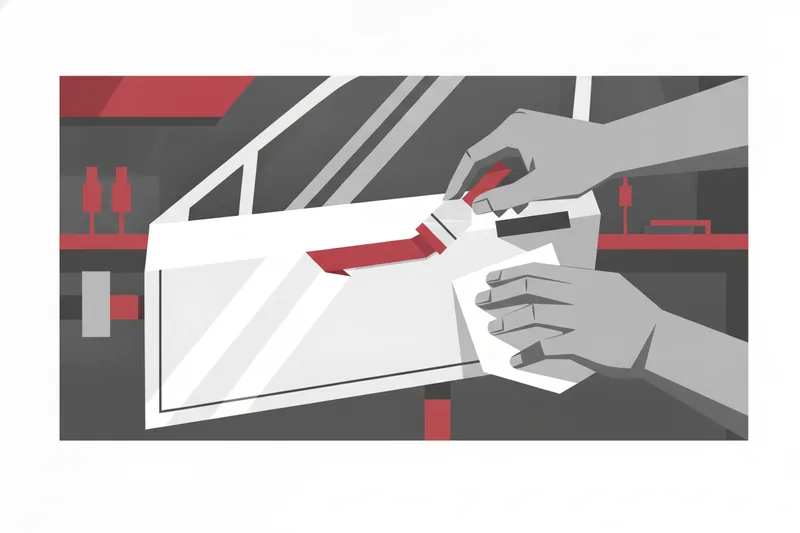
PDR glue remover isn't one product — it's a small toolkit of solvents, scrapers, and prep wipes built to strip leftover adhesive from a panel or a tab without touching the clear coat underneath. Get the wrong tool on the wrong glue and you either smear a haze across fresh paint or hand yourself a contaminated tab that won't hold tack on the next pull. This guide walks through both problems separately, because they're not the same job.
What Is PDR Glue Remover and Why It Matters
PDR glue remover covers three tool categories used in paintless dent repair: chemical solvents (acetone or dedicated adhesive removers), mechanical scrapers (plastic or nylon blades), and disposable surface-prep wipes. Each targets a different stage of the job.
Hot glue residue is the cooled, hardened film left on a panel after a PDR hot-melt glue stick has been peeled off a tab. Cold glue residue is what's left of a reusable, putty-like pulling compound after a tab is released from the panel surface — it behaves differently because it never chemically cures the way hot-melt adhesive does. Glue tabs — metal for hot-glue pulling, metal or plastic for cold-glue systems — are meant to be reused, but only if they're clean between pulls.
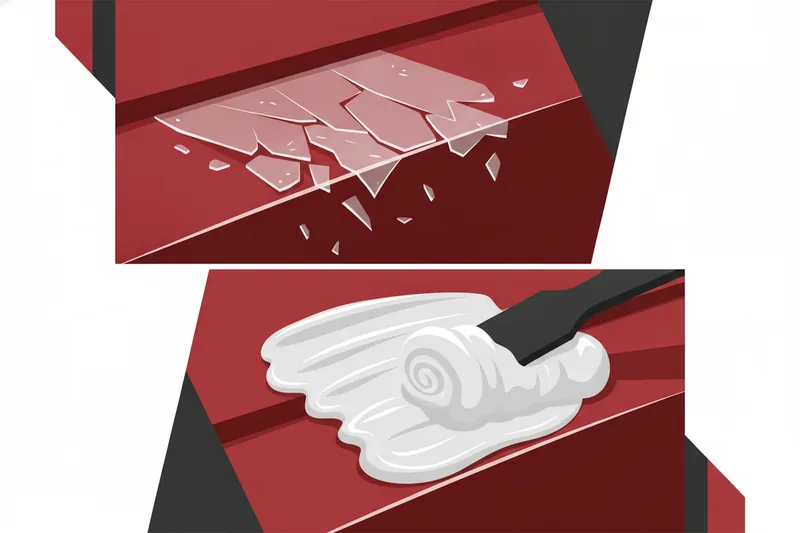
Everything about how you remove either residue comes back to one constraint: clear coat safety. Aggressive scraping, the wrong solvent, or extended solvent dwell time can dull, haze, or gouge a finish that was otherwise untouched by the dent itself — which defeats the entire purpose of paintless repair. This is exactly the gap Glexo built its SPS wipe and cold-glue lineup to close: treating glue removal as part of the adhesion workflow rather than an afterthought once the pull is done.
Hot Glue vs Cold Glue Residue: Why Removal Methods Differ
Hot glue pulling bonds a tab to the finish with a PDR hot-melt adhesive, and pull force runs through a fixed chain — pulling device, adapter, tab, adhesive, finish, panel skin. Once that adhesive cools, it's effectively cured against both the tab and the paint, which is why leftover film needs mechanical and chemical work to come off cleanly.
Cold glue is a different animal. It's a single-component, ready-to-use tacky or viscoelastic compound, not a two-part or heat-cured adhesive, and its exact chemistry is vendor-specific rather than standardized across the industry. It doesn't require a heat gun at all — it's a cohesive, putty-like compound that, in good condition, peels cleanly off the panel and gets pressed back onto the tab for reuse. That's the core distinction to keep in mind through the rest of this guide: hot glue residue is a cured film you have to strip; cold glue residue is a compound you mostly just release and lift.
Ambient temperature affects both. Warmer panels keep hot glue residue softer and easier to work loose; cold shop temperatures make it more brittle and prone to chipping instead of peeling, which is one more reason cold glue systems come in temperature-matched formulations rather than one universal mix.
How to Remove Hot Glue Residue from a Car Panel
- Let the panel return to ambient shop temperature before scraping — working on a still-warm surface tends to smear residue instead of lifting it.
- Use a plastic or nylon glue scraper tool, not metal. Hold it at a low, shallow angle and work outward from the tab footprint rather than digging straight down.
- Once the bulk of the film is off, dampen a clean cloth lightly with acetone and go over the remaining haze in short passes. Acetone breaks down hardened hot-melt residue effectively, but reaction with a finish varies by coat type, age, and whether the panel has been refinished before — always spot-test in an inconspicuous area first.
- Wipe the area dry immediately. Don't let solvent sit on the surface longer than it takes to lift the residue.
- Inspect under angled light for any leftover haze before moving on to the next tab placement — trapped residue under a new tab reduces bond strength on the following pull.
How to Remove Cold Glue Residue Safely
Cold glue removal starts before you touch a rag — it starts with how the tab comes off. Use the correct PDR glue puller or lifter for the system in use rather than prying the tab by hand; a controlled release keeps the compound intact instead of tearing it and leaving fragments stuck to the paint.
Because cold glue is a cohesive compound rather than a cured adhesive, it typically peels off the panel in one piece and goes straight back onto the tab for the next job, as long as it's still in usable condition. What's left behind is usually a light film of oils or tack residue, not a hardened layer. Wipe that down with a surface prep wipe rather than a heavy solvent — it removes the trace residue without over-cleaning the finish or leaving its own film behind.
One caution worth flagging: on a panel that's been repainted or refinished before, adhesion and residue behavior become less predictable, and glue-pull risk is higher across both hot and cold systems. Treat those panels as needing a compatibility check and a more conservative approach, not a shortcut.
Best Tools and Solvents for Glue Removal
| Tool | Best for | Notes |
|---|---|---|
| Plastic/nylon scraper | Hardened hot-melt residue | Safe on clear coat when used flat, at a shallow angle |
| Acetone (light application) | Residual hot-glue haze | Spot-test first; effect varies by coat type and repaint history |
| Surface prep wipes | Cold glue tack film, pre-pull cleaning | Disposable, no extra solvent residue left behind |
Metal scrapers and aggressive abrasive pads don't belong on this list — they cut through clear coat faster than any glue removes it. Solvent cleanup should always be the minimum needed to lift residue, not a substitute for mechanical removal where a scraper will do the job with less risk to the finish.
Cleaning Glue Off Tabs and Reusable PDR Tools
The second cleanup job — and the one technicians most often skip — is the tabs and tools themselves. Glue tabs, whether metal for hot-glue systems or metal/plastic for cold-glue pulling, only perform as well as their surface is clean.
For hot-glue tabs, hardened residue from the previous pull needs to come off before the next glue stick goes on — a quick wipe with acetone on the metal face clears it without affecting anything on the panel side. For cold-glue tabs, the compound itself is generally reused, but any degraded, contaminated, or debris-laden glue should be cleaned off the tab face with an appropriate solvent before fresh compound goes back on — pressing new glue over old, dirty residue is a common cause of weak tack on the next attempt. Slide hammer adapters and lifter heads are worth checking periodically too; buildup at the connection point changes how squarely a tab seats.
Preventing Glue Residue and Paint Damage Before It Happens
Most residue problems start before the glue ever goes on. If a panel carries wax, sealant, or invisible contaminants under the paint surface, adhesion is weaker from the first pull, which means more glue transfer, more residue, and more cleanup after.
Running surface prep wipes across the target area before applying glue — not just after — strips those contaminants and gives the tab a genuinely clean surface to bond to. This is also where anti-adhesive film earns its place in the kit: applied around the working area, it keeps glue from bonding anywhere outside the intended tab footprint, which cuts down on stray residue you'd otherwise have to scrape or solvent off afterward. Treated this way, glue removal stops being a reactive scramble and becomes a step you plan for before the first tab goes down.
Step-by-Step Glue Cleanup Process
Panel Cleanup Steps
- Let the panel reach ambient shop temperature.
- Release the tab using the correct lifter or puller for the glue system in use.
- For hot glue: scrape residue with a plastic/nylon tool, then follow with a light acetone pass and immediate dry-wipe.
- For cold glue: peel the compound off by hand or scraper, then wipe the area with a surface prep wipe.
- Inspect the surface under angled light before repositioning a tab.
Tab and Tool Cleanup Steps
- Wipe hot-glue tabs with acetone to clear hardened residue from the metal face.
- Check cold-glue tabs for contamination or degraded compound; clean before reapplying fresh glue.
- Inspect lifter/adapter connection points for buildup that could affect tab seating.
- Store cleaned tabs separately from unused ones to avoid cross-contamination.
FAQ
What dissolves automotive glue? Acetone is the standard solvent for breaking down hardened hot-melt PDR glue residue. Cold glue compounds are vendor-specific in chemistry, so check the manufacturer's guidance before applying any solvent to avoid degrading a compound meant to be reused.
How long does PDR glue take to dry? Hot-melt glue sets within a short window once it cools to ambient temperature — the exact time depends on the product and shop conditions. Cold glue doesn't "dry" or cure the same way; it's a viscoelastic compound designed to stay tacky and reusable rather than harden.
Is acetone safe on clear coat? In light, spot-tested applications, acetone is commonly used on cured factory clear coats without lasting damage. But reaction varies by coat age, type, and repaint history — panels that have been refinished before carry a higher, less predictable risk of coating damage, so treat those with extra caution.
What's the real difference between hot and cold glue residue? Hot glue residue is a cured film that needs scraping plus solvent. Cold glue residue is a reusable compound that typically peels off cleanly and goes back onto the tab, provided it hasn't degraded or picked up contamination.
Stock up on Glexo's SPS surface-prep wipes and temperature-matched cold glue systems to cut cleanup time and get stronger adhesion on every pull — browse the full range at glexotools.com.